Microplastics in drinking water and everyday products are becoming a growing concern. Plastic is now part of daily life — from food containers and bottles to kitchen tools, tea bags, and even household cleaning products.
A recent video by Dr. Eric Berg explains how microplastics may build up in the body over time, and why reducing daily plastic exposure is a smart step for long-term health. This article is a practical summary of his recommendations.
Why microplastics in drinking water are a concern
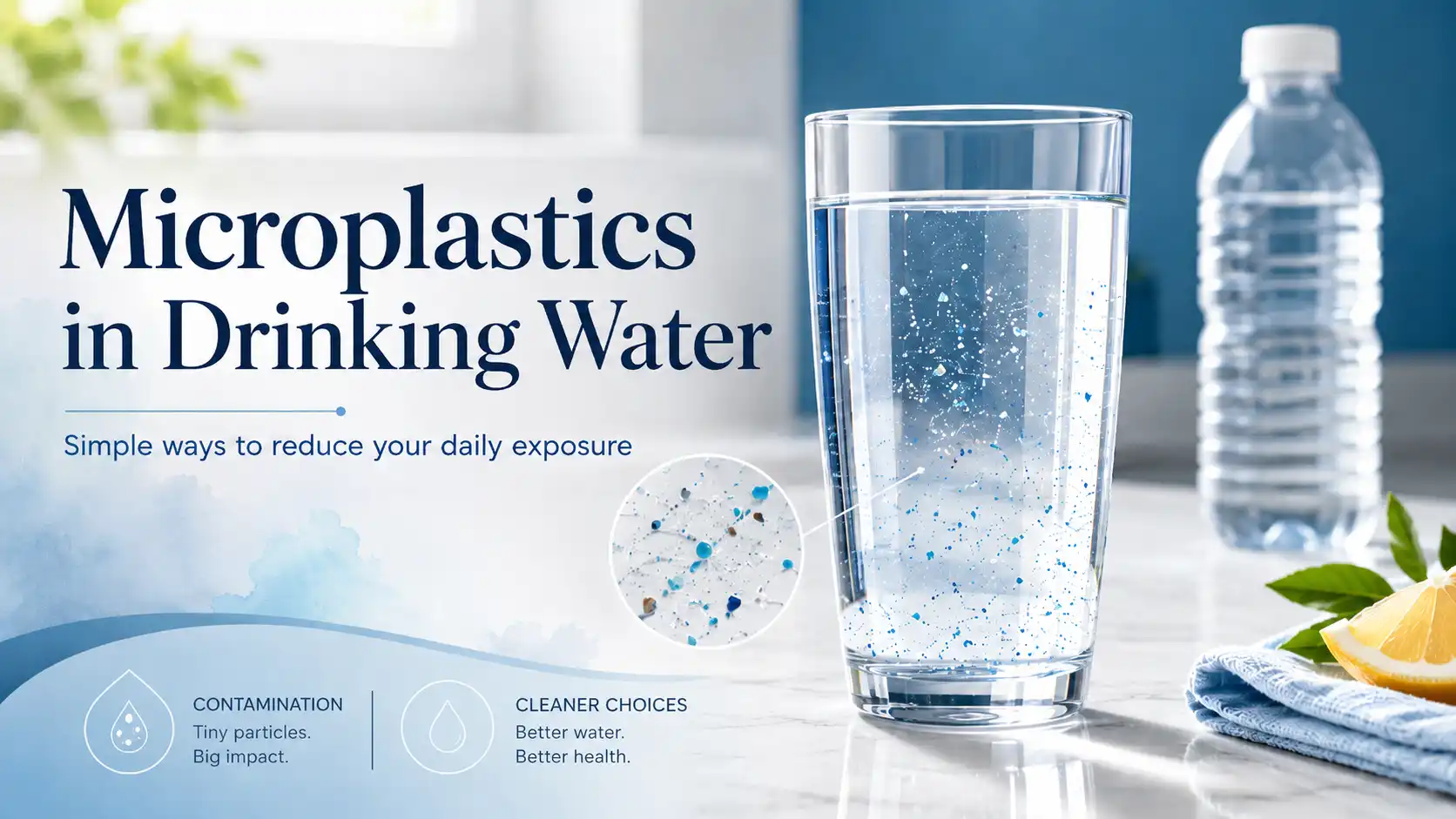
Microplastics are tiny plastic particles that enter water from bottles, packaging, pipes, and synthetic materials. The main concern isn’t one single exposure — it’s the repeated daily accumulation. Studies are increasingly linking long-term microplastic exposure to inflammation and other health concerns.
That’s why prevention matters most. Reducing the amount of plastic you interact with every day can meaningfully lower your total exposure — and most of the changes are simpler than you’d think.
7 simple ways to reduce microplastic exposure
1Avoid heating food in plastic containers
Don’t microwave food in plastic containers. Heat causes chemicals and tiny plastic particles to migrate into your food. Switch to glass or stainless steel containers — especially for anything going in the microwave.
2Replace plastic cutting boards with wooden ones
Every cut on a plastic board releases tiny particles directly onto your food. A hardwood or bamboo cutting board is a better, longer-lasting alternative for daily kitchen use.
3Use stainless steel or ceramic cookware
Scratched or worn non-stick cookware releases PTFE particles and other chemicals under high heat. Stainless steel or ceramic pans are a safer long-term choice for your health.
4Cut back on plastic bottles and canned drinks
Plastic bottles are the most obvious source — but even aluminium cans often have a thin plastic lining inside. Where possible, choose glass bottles or carry a reusable stainless steel water bottle.
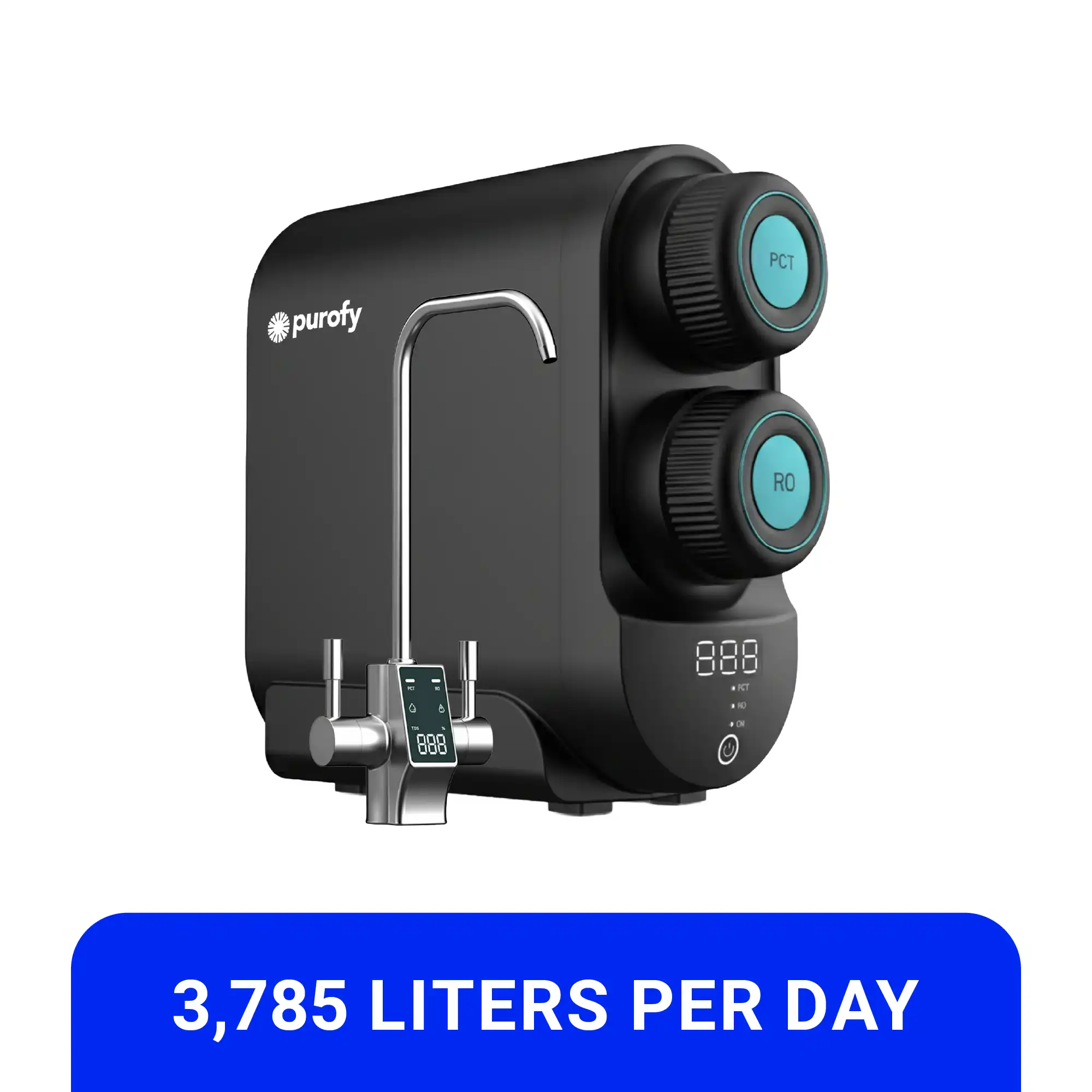
5Filter your drinking water with an RO system
Tap water and even bottled water can contain microplastic particles. A reverse osmosis (RO) water filter is one of the most effective ways to remove microplastics, chlorine, heavy metals, and dissolved contaminants at home.
Live in Aman Udhares or Dhoadhi? See our full breakdown of the best Purofy RO system for your apartment, with model comparisons and local installation details.
RECOMMENDED BY PUROFY
Best RO water filters to remove microplastics in Maldives
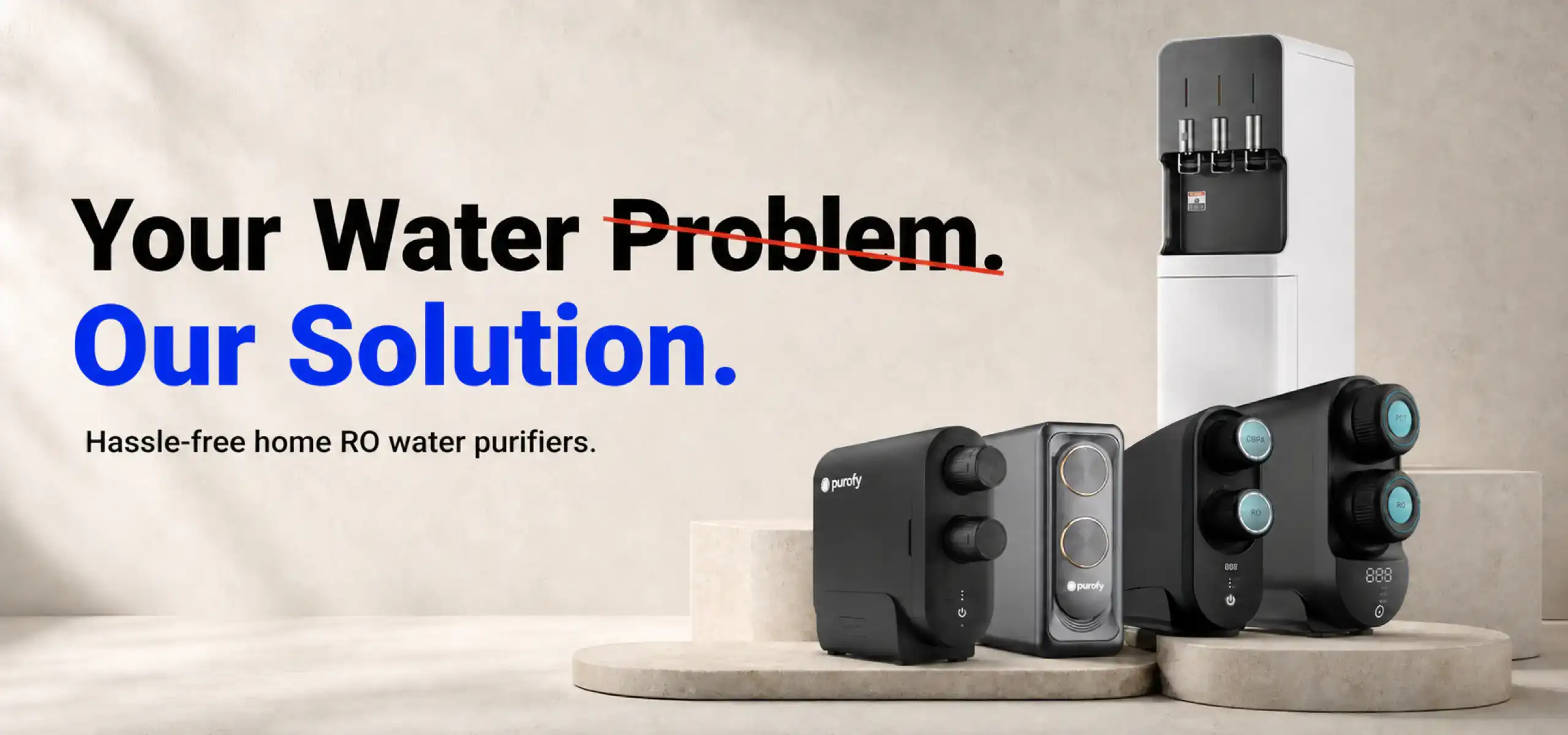
Every Purofy system uses multi-stage reverse osmosis built for Maldivian water conditions. Here are the three our team recommends most.


6Rethink tea bags and table salt
Some tea bags use plastic fibres to hold their shape in hot water — loose-leaf tea or certified plastic-free bags are a better choice. Sea salt can also carry microplastic particles; look for well-sourced, tested salt brands.
7Gradually replace everyday plastic items
You don’t need to change everything at once. Start with the items you use most frequently: plastic water bottles, food storage containers, cutting boards, synthetic sponges, and plastic toothbrushes. Small, consistent changes add up to a significant reduction in daily plastic exposure.
Can your body remove microplastics on its own?
Dr. Berg’s video also covers sleep, intermittent fasting, and antioxidant-rich foods as ways to support the body’s natural detox processes. The takeaway: quality sleep, a clean diet, and reduced plastic exposure all work together — but the most immediate, practical step is reducing how much plastic enters your body each day.
The bottom line on microplastics
You can’t avoid microplastics entirely, but you can sharply reduce your daily exposure. Start with your kitchen, your drinking water, and the plastic items you use most. Filtering your water at the source removes one of the biggest ongoing sources — and that’s exactly what a Purofy RO system is built to do, every single glass.
Watch: Microplastics explained by Dr. Eric Berg
For the full breakdown of how microplastics affect the body and the complete list of tips, watch the original video below.